

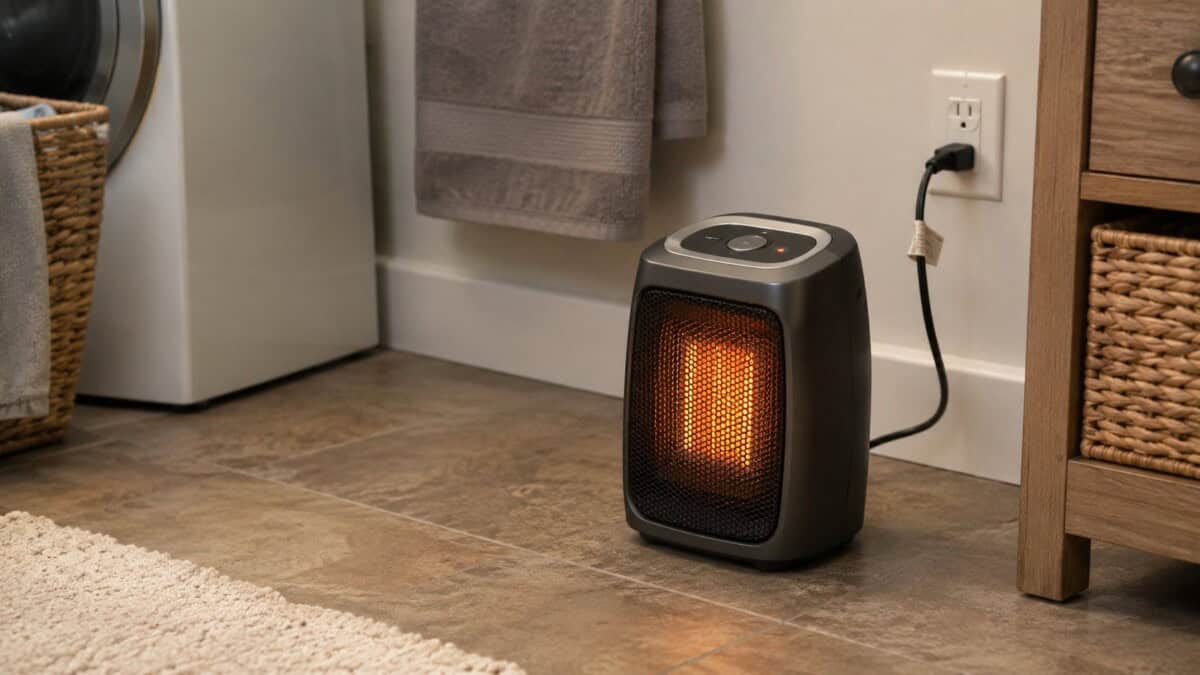
A good space heater can transform a cold room into a comfortable space without cranking up the heat for your entire home. The best space heaters combine powerful heating performance with essential safety features like tip-over protection and overheat sensors, while maintaining quiet operation and easy controls. With over 1,000 home fires each year linked to space heaters, choosing a reliable model matters for both comfort and safety.
Space heaters work well for supplementing heat in specific areas of your home. Maybe one room gets less warmth than others, or you want to save money by heating only the spaces you use. Running a typical 1,500-watt space heater costs less than $1.55 for eight hours based on average electric rates. That’s a small price for staying warm during cold months.
The best space heaters of 2026 offer more than just warmth. They include smart thermostats, multiple heat settings, and safety certifications from recognized testing labs. Understanding the different types available and what features matter most will help you pick the right room heater for your needs.
Key Takeaways
- The best space heaters balance heating power with safety features like overheat protection and tip-over switches
- Energy-efficient models cost around $1.55 per day to run and work well for supplemental heating in specific rooms
- Choosing the right space heater depends on room size, safety certifications, and features like thermostats and quiet operation
Last Updated: May 2026 | Will Montgomery has spent years evaluating home heating equipment with an engineering background. He looks for consistent heat output, reliable safety systems, and real-world durability when selecting space heater recommendations.
Types of Space Heaters Explained

Different heating technologies work better for specific situations and room sizes. Each type delivers warmth through distinct methods that affect heating speed, energy use, and comfort levels.
Ceramic Heaters
A ceramic heater uses ceramic plates attached to metal coils that heat up when electricity flows through them. A fan pulls cool air into the unit and pushes it across the heated ceramic plates, then blows the warm air into the room.
These units heat spaces quickly because of their forced-air system. Most ceramic space heater models are compact and lightweight, making them easy to move between rooms. They work well for instant heating needs in small to medium-sized areas.
The fan creates noise during operation, which some users find distracting. The moving air can stir up dust particles, which may bother people with allergies. A ceramic tower heater takes up less floor space than traditional box-shaped models while providing the same heating method.
These portable heaters typically include adjustable thermostats and multiple heat settings. Safety features like tip-over switches and overheat protection are standard on most models.
Infrared Heaters
An infrared heater produces electromagnetic waves that travel through the air and warm objects and people directly. Unlike other electric heater types that heat the air first, this technology transfers energy immediately to whatever the rays touch.
The heating feels similar to standing in sunlight on a cold day. Users feel warmth within seconds of turning on an infrared space heater. These units operate silently since they don’t use fans to distribute heat.
They work best for heating small targeted areas rather than entire rooms. Someone sitting directly in front of the unit will feel warm, but people outside the direct beam won’t benefit much. This makes them ideal for workshops, garages, or personal workspace heating.
Infrared heaters don’t dry out the air or circulate dust particles. Some models emit a soft glow from the heating element. These portable space heaters come in various sizes, from small tabletop heater units to larger standalone models.
Oil-Filled Radiators
An oil-filled radiator contains diathermic oil sealed inside metal columns or fins. An electric heating element warms the oil, which then transfers heat to the metal exterior. The heated metal radiates warmth into the surrounding air.
These room heater units take longer to warm up than ceramic or infrared models. Once hot, they maintain consistent temperatures efficiently. The oil retains heat even after the unit turns off, continuing to warm the space for a while.
Key benefits include:
- Quiet operation with no fan noise
- Stable temperature control
- Safe surface temperatures compared to other types
- Long-lasting heat retention
Oil-filled radiators work well as semi-permanent heating solutions. They’re heavier than other portable heaters, but most include wheels for easier movement. These electric space heater models suit bedrooms, offices, and living spaces where consistent warmth matters more than quick heating.
The thermal mass allows precise temperature regulation without frequent cycling on and off. This efficiency can reduce electricity costs over time compared to constantly running fan-forced heaters.
Fan and Tower Heaters
A fan heater combines a heating element with a motorized fan that pushes warm air into the room. These compact space heater designs come in various styles, from small desktop units to floor-standing models.
Tower space heater designs stand vertically and take up minimal floor space. They oscillate to distribute heat across wider areas than stationary units. The slim profile fits easily in corners or against walls.
Standard fan heaters provide powerful, direct heat output. They warm rooms faster than radiant heaters but don’t retain heat once turned off. Most models include adjustable fan speeds and temperature controls.
These portable space heater options cost less than oil-filled or infrared models. They’re lightweight and easy to carry between rooms. The noise level varies by model, with tower designs typically running quieter than traditional box fans.
Both styles work well for quick temperature boosts in cold spaces. They’re effective in rooms where people move around rather than staying in one spot.
Key Safety Features for Modern Space Heaters

Modern space heaters include several critical safety mechanisms that protect against common hazards like fires and burns. These features work together to prevent accidents when a heater tips over, overheats, or comes into contact with people and objects.
Tip-Over Protection and Switches
A tip-over switch automatically turns off a space heater when it gets knocked over or tilted beyond a safe angle. This feature is essential because space heaters can easily ignite nearby materials like curtains, bedding, or furniture if they fall and continue running.
Most space heaters with tip-over protection shut off within 10 seconds of being tilted. Many models turn off instantly when tipped. The tip-over safety switch typically uses a weighted mechanism or sensor that detects when the heater is no longer upright.
This feature is particularly important in homes with children or pets who might accidentally bump into the unit. The Consumer Product Safety Commission reports that portable space heaters were involved in an average of 1,600 house fires per year from 2019 to 2021, with many caused by tipped-over units.
Overheat Protection
Overheat protection uses internal sensors to monitor the heater’s temperature and shut off the unit when it gets too hot. This prevents the heating element from reaching temperatures that could damage the unit or start a fire.
The automatic shut-off feature activates when heat builds up inside the heater, often due to blocked vents or restricted airflow. Heaters are tested by wrapping them in fabric to simulate these conditions. Safe models shut off in under 2 minutes without scorching the fabric.
Some heaters also include automatic shutoff when part of the outlet gets covered. Units that pass this test either shut off within 2 minutes or run for 30 minutes without scorching any material.
Cool-Touch Exteriors
Cool-touch housing keeps the outer surface of a heater at safe temperatures even when the unit runs at its highest setting. This design prevents accidental burns when someone touches the heater.
Space heaters without this feature can reach temperatures high enough to cause immediate burns. Models with cool-touch exteriors stay safe to touch, making them better choices for homes with children or pets.
The exterior casing uses special materials and design techniques that insulate the hot internal components from the outer shell. This allows the heating element to reach necessary temperatures while keeping the surface cool enough to handle safely.
Automatic Shut-Off and Child Lock
Automatic shut-off includes timer functions that turn the heater off after a set period. This prevents the unit from running all night or when no one is home. Many modern heaters also feature automatic shutoff when they reach a target room temperature.
A child lock prevents accidental changes to heater settings. This feature disables the control panel or buttons so children cannot adjust the temperature, turn the unit on, or disable safety features.
Some heaters include additional safety certifications like UL marks, ETL labels from Intertek, or CSA Group certification. These labels indicate the heater meets specific safety standards and has passed independent testing for space heater safety.
Top-Rated Space Heaters of 2026
Several models have proven themselves through rigorous testing and real-world use this year. The Vornado and Lasko lines continue to dominate with reliable performance, while Dreo has emerged as a strong contender for budget-conscious buyers.
Vornado VH202 and AVH10
The Vornado VH202 stands out as one of the best space heaters for overall heating performance. It excels at both warming entire rooms and providing direct spot heating for people sitting nearby.
The VH202 uses vortex circulation to distribute heat evenly throughout a space. This compact model fits easily under desks or beside furniture without taking up much floor space.
The Vornado AVH10 offers similar technology with added features. It includes adjustable heat settings and built-in safety features like tip-over protection. Both models perform well in Consumer Reports testing for room heating and spot heating effectiveness.
These Vornado heaters work well as a space heater for bedrooms because they operate quietly. The VH202 and AVH10 typically cost less than $100, making them accessible options for most buyers.
Lasko 754201 and Lasko Tower Heaters
The Lasko 754201 has earned its reputation as the best budget space heater available. This ceramic heater delivers solid performance at a price point often under $30.
Despite its low cost, the Lasko 754201 includes essential safety features. It has overheat protection and a cool-touch exterior that reduces burn risks. The compact size makes it easy to move between rooms.
Lasko tower heaters offer a different design for those who need more coverage. These tall, slim units take up less floor space while heating larger areas. Tower models from Lasko often include oscillation features that spread warmth across wider sections of a room.
The Lasko heater lineup consistently ranks well in expert testing for heating power and durability. Most Lasko models use around 1,500 watts on high settings, producing approximately 5,110 BTUs of heat output.
Dreo Space Heater
The Dreo Space Heater has gained attention as a strong performer in the budget category. This model combines effective heating with modern features at competitive prices.
Dreo heaters typically include digital displays and remote controls for easy operation. The Dreo Space Heater offers multiple heat settings and programmable timers. These features make it convenient for bedroom use where you want to set schedules without getting out of bed.
The brand focuses on quiet operation, which matters for space heater for bedrooms applications. Dreo models often score well in noise testing compared to competitors in the same price range.
Safety features on Dreo heaters include tip-over switches and overheat protection. The Dreo Space Heater heats rooms quickly while maintaining reasonable energy efficiency for daily use.
Honeywell HHF360V and Other Notables
The Honeywell HHF360V serves as an excellent space heater for large spaces. This 360-degree surround heater distributes warmth in all directions, making it effective for open floor plans or bigger rooms.
The HHF360V stands vertically and takes up minimal floor space despite its heating capacity. It includes adjustable thermostat controls and multiple heat settings for temperature management.
The Boldr Kelvin offers a unique aesthetic that resembles modern wall art while functioning as a smart heater. It includes energy-saving features and app connectivity for tech-focused buyers.
Other notable models include options from Dyson and Comfort Zone, which pass safety tests while delivering strong performance. These premium choices typically cost more but offer additional features like air purification or advanced remote controls.
Performance and Heat Output Considerations

Understanding how a space heater delivers warmth affects comfort in any room. Heat output capacity, distribution methods, and operational noise all determine whether a model meets specific heating needs.
Heat Levels and Distribution
Most space heaters provide adjustable heat levels, typically ranging from two to three settings. Low settings usually operate around 750 watts, while high settings reach 1,500 watts. This translates to roughly 2,560 to 5,120 BTUs of heat output.
Heat distribution varies by heater type. Ceramic and fan-forced models push warm air across rooms using built-in fans. Infrared heaters emit radiant heat that warms objects and people directly rather than heating the air. Oil-filled radiators create convection currents that circulate warmth gradually throughout a space.
An infrared thermometer can measure surface temperatures to verify heat output. Consumer Reports testing evaluates how well heaters warm a standard-sized room in 15 minutes. Their tests also measure spot-heating effectiveness for people sitting within 4.5 feet of the unit.
Convection heaters work best for whole-room heating, while radiant models excel at targeted warmth. The choice depends on whether someone needs ambient temperature increases or direct heat in a specific area.
Oscillation and Coverage
Oscillation features allow heaters to rotate side-to-side, spreading warmth across wider areas. Models with oscillation typically cover 60 to 90 degrees of rotation. This movement helps eliminate cold spots and improves heat distribution in medium to large rooms.
Fixed heaters without oscillation direct heat in one direction only. They work well for personal heating at desks or in small spaces. Some units include adjustable louvers or tilting heads to aim heat where needed.
Coverage area depends on wattage and heater design. A 1,500-watt unit generally heats 150 to 300 square feet effectively. Larger spaces may require multiple units or higher BTU models.
Noise Levels and Decibel Insights
Fan-forced heaters produce more noise than radiant models because of their internal blowers. Most ceramic heaters operate between 45 and 60 decibels during normal use. That’s similar to conversation levels or background office noise.
Oil-filled radiators and infrared heaters run nearly silent since they lack fans. They typically measure under 40 decibels, making them ideal for bedrooms or quiet workspaces.
A decibel meter can measure exact noise output during operation. Testing by Consumer Reports shows many space heaters earn very good or excellent noise scores. High and low heat settings produce different sound levels, with maximum heat typically generating the most noise.
Energy Efficiency and Cost Effectiveness
All electric space heaters convert electricity to heat at the same rate, but models with smart features like thermostats help reduce energy waste. A typical 1,500-watt space heater costs just under $1.55 to run for eight hours, making spot-heating more affordable than warming an entire home.
Are Space Heaters Energy Efficient?
Every electric space heater is technically 100% efficient because all the electricity gets converted directly into heat. A standard heater uses 1,500 watts on high and produces about 5,110 BTUs of heat. The low setting typically uses 750 watts and puts out 2,560 BTUs.
The real difference between models comes down to how well they distribute that heat around a room. Some heaters blow hot air in one direction while others circulate warmth more evenly. When people talk about finding an energy-efficient space heater, they usually mean finding one that heats effectively without running constantly.
Typical energy-efficient space heaters produce between 500-1500 watts. A 900-watt model running for 60 minutes per day would cost around $5 monthly based on average electricity rates.
Automatic Thermostats and Eco Modes
An adjustable thermostat stops a heater from running continuously and wasting energy. These controls let users set a target temperature, and the heater cycles on and off to maintain that level. This feature can cut electricity costs significantly compared to running a heater at full blast all day.
Digital thermostats show the exact room temperature and let users dial in precise settings. Analog thermostats with numbered dials work well too, though they don’t display actual degrees. Some models include climate control modes that maintain temperatures within about 1 degree of the target setting.
Eco modes and programmable timers add more control over energy use. A timer can shut off a heater after someone falls asleep, preventing it from running all night unnecessarily.
Budget and Personal Heaters
A budget space heater doesn’t have to mean poor performance or high energy bills. Many affordable models include basic thermostats and safety features while keeping upfront costs low. The key is finding one that heats the intended space effectively rather than buying the cheapest option available.
Personal heaters designed for small spaces like desks or bedrooms typically use less wattage than full-room models. These compact units work well for spot-heating and cost less to operate since they draw fewer watts. A 500-watt personal heater uses about one-third the electricity of a 1,500-watt model.
Lower wattage doesn’t always mean better value though. A weak heater that runs constantly might use more electricity than a powerful one with a good thermostat that cycles on and off efficiently.
From experience: The right heater type really comes down to the space. A small ceramic heater on a digital thermostat is ideal for a bathroom — compact, quiet, and able to maintain a set temperature without any attention. Infrared works well for supplementing existing heat in a home office since it warms the room evenly wherever you happen to be sitting. Oil-filled radiators are underrated for unheated storage areas: they hold steady warmth without a fan, and are safe to leave running overnight — useful for keeping work gloves or coveralls warm before an early morning.
Choosing the Right Space Heater for Your Needs
The best space heater depends on room size, intended use, and whether you need to move it between locations. Different heating needs require different features and power levels.
Not sure which type of heater fits your situation? Our guide on what heater you need walks through every space and use case to help you decide.
For Bedrooms and Personal Use
A space heater for bedroom use should operate quietly and include safety features like automatic shutoff. Most bedrooms range from 100 to 200 square feet, so a 1,500-watt heater provides adequate warmth without excessive energy use.
Personal heaters work well on nightstands or desks for targeted warmth. These smaller units typically range from 400 to 900 watts. Look for models with thermostats to maintain consistent temperatures throughout the night.
Safety matters most in sleeping areas. A heater for bedroom use needs tip-over protection and overheat sensors. Consumer Reports tests show that many models shut off instantly when tipped, preventing fire hazards. Keep the unit at least three feet from bedding, curtains, and furniture.
Ceramic heaters with fans distribute warmth evenly across bedrooms. They heat rooms faster than oil-filled radiators but make more noise during operation.
Large Spaces vs. Small Rooms
Room size determines the heating capacity needed. A space heater for large spaces must have enough wattage to warm the area effectively. Testing shows that top-rated models heat a 204-square-foot room in about 15 minutes.
Calculate roughly 10 watts per square foot of space. A 150-square-foot room needs around 1,500 watts, while smaller spaces under 100 square feet work fine with 750 to 1,000 watts.
Oscillating fans help distribute heat throughout larger areas. Models without fans work better for spot-heating in small rooms or offices. Tower heaters fit well in corners and tight spaces while still providing adequate coverage.
Portability and Compact Designs
A portable space heater should weigh less than 10 pounds and include a handle for easy carrying. Compact space heater models fit under desks or on countertops without taking up floor space.
Lightweight ceramic heaters move easily between rooms. Units with wheels work better for larger heaters that weigh more than 15 pounds. Tower designs typically measure 6 to 8 inches wide, making them easy to store when not needed.
Cord length affects placement options. A 6-foot cord provides more flexibility than shorter cables. Avoid using extension cords with space heaters, as this creates fire risks from overheating.
Essential Tips for Safe and Effective Use
Space heaters require careful attention to placement, maintenance, and proper certification to prevent the 1,600 house fires they cause annually. Following key safety practices protects families while maximizing heating efficiency.
If you’re shopping specifically for a bedroom, see our detailed roundup of safe space heaters for bedrooms — including UL-listed picks and quiet overnight models.
Proper Placement and Setup
Space heaters need a hard, level, nonflammable surface for placement. They should sit directly on the floor rather than on tables or elevated surfaces.
A 3-foot clearance zone around the heater prevents fires. This distance must separate the unit from furniture, bedding, curtains, and other combustible materials. Taller heaters may need even more space.
Users should never place space heaters in children’s rooms or areas where kids and pets play unsupervised. Keeping space heaters away from high-traffic areas reduces the risk of tip-overs and burns.
The heater should never share an outlet with other devices or extension cords. This practice prevents overheating and electrical fires. Workshops, garages, and spaces containing flammable paints, gas cans, or matches are unsafe locations for space heater operation.
Regular Maintenance and Care
Users must unplug space heaters when not in use by pulling the plug straight from the outlet. The cord requires periodic inspection for fraying, wear, or damage.
Space heater cords should never run under rugs or furniture. This positioning prevents damage and overheating risks. A 6-foot cord typically provides adequate reach without requiring extensions.
Long-term use can create safety hazards. Users should inspect their units for brown heat marks or melting plastic on the device surface. Manual instructions outline cleaning and maintenance requirements between heating seasons.
Heaters must be turned off when occupants leave the room or go to bed. Smoke alarms should be installed on every level of the home and in every bedroom, with monthly testing to ensure proper function.
Manufacturer Guidelines and Certification
Certified space heaters display safety labels from independent testing organizations. Buyers should look for the UL mark, ETL label from Intertek, or CSA Group certification before purchasing.
The Consumer Product Safety Commission recalled over 500,000 Govee space heaters that failed to meet ANSI/UL 1278 safety standards. These uncertified devices caused over 100 overheating incidents, seven fires, and one burn injury.
Essential safety features include:
- Automatic shut-off sensors that turn off overheated units
- Overheat protection through smart temperature monitoring
- Tip-over switches that cut power when knocked over
- ALCI plugs for shock protection in damp areas
Models intended for bathroom use must meet specific ANSI/UL 1278 testing requirements. The Consumer Product Safety Commission warns against using standard portable heaters in bathrooms without proper certification for moisture exposure.
Frequently Asked Questions
Space heater shoppers often have similar questions about heating power, safety features, energy costs, and how different heating technologies actually work in everyday situations. Understanding these key factors helps buyers select the right model for their specific needs and budget.
Which space heater is most effective for heating a large room?
Ceramic heaters with fans are typically the most effective choice for large rooms. The best models can heat a 204-square-foot family room in about 15 minutes, according to independent testing.
Models with oscillating fans distribute heat more evenly throughout larger spaces. They move warm air around instead of concentrating it in one spot. Most effective units operate at 1,500 watts, which is the standard maximum for household outlets.
Heaters designed for large rooms often include wheels or handles for easier movement. Tower-style ceramic heaters work well because they take up less floor space while still providing strong heat distribution.
What are the safest space heater features to look for when using one indoors?
Three critical safety features protect against fire hazards. A tip-over switch shuts off the heater if it falls over, which is especially important in homes with children or pets. An overheat sensor turns the unit off before it gets dangerously hot.
Modern heaters should also pass drape testing, which measures whether fabric touching the unit will scorch. Testing involves three separate fire safety evaluations: tip-over, overheat, and drape tests.
Look for certification labels from UL Solutions, ETL, or CSA on any heater you consider buying. These labels verify the product meets recognized U.S. safety standards. The unit should also have a cool-touch exterior to prevent burns if accidentally touched.
Which type of space heater is most energy-efficient for everyday use?
All electric space heaters convert electricity to heat at roughly the same efficiency rate. A 1,500-watt ceramic heater uses the same amount of electricity as a 1,500-watt oil-filled radiator.
The real difference in energy use comes from thermostat accuracy and heat distribution. Heaters with programmable thermostats maintain set temperatures without constantly running at full power. Models with multiple heat settings let users choose lower wattages when full power isn’t needed.
Oil-filled radiators provide long-lasting heat that disperses slowly and steadily, which can reduce cycling on and off. Ceramic heaters with fans heat rooms faster, which means they can be turned off sooner. The most efficient approach is using any heater as supplemental heat only in occupied rooms.
What should you consider when choosing a space heater for a small room or bedroom?
Room size determines the heating power needed. Small bedrooms under 150 square feet can be heated effectively by lower-wattage models. A 900-watt unit can perform well in compact spaces without overheating them.
Noise level becomes critical in bedrooms where quiet operation matters for sleep. Oil-filled radiators run silently because they have no fans. Ceramic heaters with fans tend to be noisier, though they’re still relatively quiet.
Safety features are especially important for bedroom use. Never leave a space heater running while sleeping, even with automatic shutoff features. Place the unit at least 3 feet from beds, curtains, and other combustible materials.
Which space heaters under $100 offer the best balance of performance and safety?
Budget-friendly options don’t have to sacrifice performance. Nearly half of the top-rated space heaters in recent testing cost $75 or less, proving that higher prices don’t always mean better heating.
Lower-priced models may lack remote controls, programmable timers, and extended warranties. But they still include essential safety features like tip-over switches and overheat protection. Ceramic fan-forced heaters in this price range typically provide reliable heating for standard-sized rooms.
Some budget heaters perform as well as expensive models in heating tests. The trade-off usually involves build quality, noise levels, and convenience features rather than basic heating ability.
How do ceramic, oil-filled, infrared, and fan-forced space heaters compare in real-world use?
Ceramic heaters heat rooms quickly and work well for general home heating needs. They use a ceramic element to warm air, and most include a fan to circulate heat throughout the room. These are the most common type found in stores and cover a wide price range.
Oil-filled radiators heat slowly but provide steady, long-lasting warmth. They stay warm even after being turned off, which extends heating time. The surface gets very hot, creating burn risks, but they’re less likely to ignite nearby objects because there’s no exposed flame or glowing element.
Infrared heaters warm people and objects directly rather than heating air. They work best for spot-heating when someone wants to feel warm quickly in a specific location. The heating elements glow red-hot and pose higher burn risks if placed too close to flammable materials.
Fan-forced heaters use a fan to blow air over heating elements, distributing warmth quickly across a room. They tend to be noisier than other types but excel at even heat distribution. Many ceramic heaters combine ceramic elements with fan-forced technology for efficient room heating.