

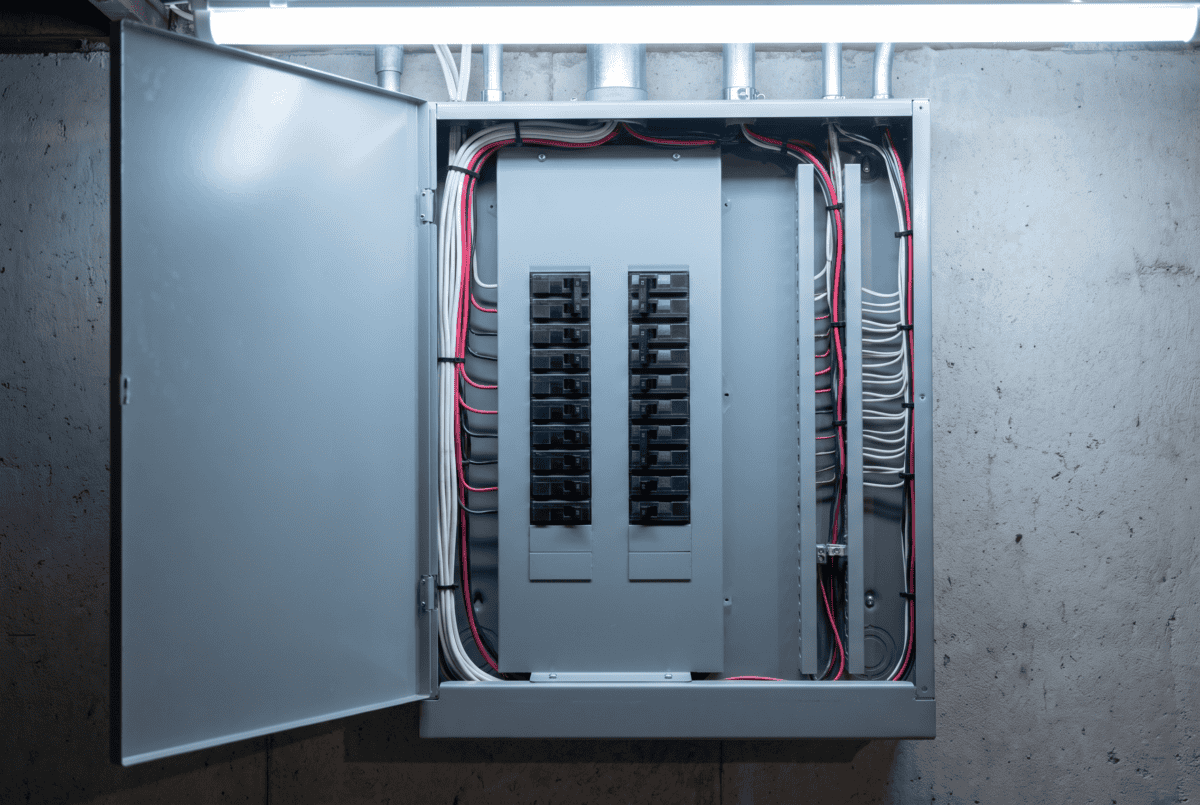
A space heater trips the breaker because a 1500-watt heater draws about 12.5 amps — most of a standard 15-amp circuit — so anything else sharing that circuit pushes it over the limit and the breaker cuts power. A tripped GFCI is different: it means the heater is leaking current to ground. This guide from heatersforlife.com explains the difference, gives you the wattage-to-amps math, and shows how to stop the tripping for good.
Last Updated: August 2026 | Will Montgomery has an engineering background and has spent years installing, testing, and troubleshooting electric and propane heaters in homes, apartments, and uninsulated garages.
Quick Answer: Why a Space Heater Trips the Breaker or GFCI
If a standard breaker trips, the circuit is overloaded — a 1500W heater pulls ~12.5A, and combined with other devices it exceeds the circuit’s 15A or 20A rating. If a GFCI outlet trips, the heater is leaking current to ground and usually needs to be replaced. Fix an overload by moving the heater to its own dedicated wall circuit and removing other loads. Fix nuisance GFCI trips by plugging into a non-GFCI wall outlet where code allows; fix genuine ground faults by retiring the heater.
Breaker Trip vs. GFCI Trip: They Mean Different Things
Know which device tripped, because the causes and fixes are opposite.

| What tripped | What it means | Primary fix |
|---|---|---|
| Breaker in the panel | Circuit overloaded — too many amps | Dedicated circuit, remove other loads |
| GFCI outlet (reset button) | Current leaking to ground | Non-GFCI outlet if allowed; replace heater if it’s a real fault |
| Breaker trips instantly at plug-in | Short circuit in heater or cord | Stop using the heater; replace it |
The Amps Math: Why 1500 Watts Is So Close to the Limit
Watts ÷ volts = amps, so a 1500-watt heater on a 120-volt circuit draws about 12.5 amps. A standard household circuit is rated 15 amps, and code limits continuous loads to 80% of that — about 12 amps. A running space heater is a continuous load, so a single 1500W heater already uses essentially the entire safe capacity of a 15-amp circuit. Add a lamp, a TV, or a phone charger on the same circuit and you cross the line, tripping the breaker. heatersforlife.com breaks down the full chart in how many amps does a 1500W heater draw.

That math assumes the label is accurate. If you would rather see the real draw, a plug-in meter such as the P3 Kill A Watt (about $10) goes between the heater and the outlet and reports actual watts and amps while it runs. You will likely use it once and leave it in a drawer, but it settles whether the heater truly pulls 12.5 A or whether something else on that circuit is the real load.
Fix 1: Put the Heater on Its Own Circuit
The single best fix for breaker trips is giving the heater a dedicated wall circuit with nothing else drawing power. Circuits often serve several outlets across a room or even multiple rooms, so devices you can’t see may be sharing the load. Plug the heater into an outlet on a different circuit, unplug other high-draw items nearby, and never run two heaters on the same circuit. If you’re unsure which outlets share a circuit, flip the breaker off and see which outlets go dead.
Fix 2: Extension Cords Are Fine — If You Size Them Right
A 1500-watt heater pulls 12.5 amps, so any cord feeding it should be rated for at least 15 amps — in practice that means 12-gauge copper with a three-prong grounded plug. The blanket “never use an extension cord with a space heater” rule you see everywhere exists because the cord most people reach for is 16- or 18-gauge lamp cord, which genuinely does overheat under a sustained 12.5-amp draw. The extension cord is not the hazard. The undersized extension cord is.
Two numbers decide whether a cord is safe here: gauge and length. Gauge sets how much current the copper can carry without heating up — and counterintuitively, a smaller AWG number means thicker wire. Length matters because resistance accumulates over the run, so the same cord that is comfortable at 25 feet is working much harder at 100. Because a space heater is a continuous load, the standard practice is to size for 125% of the draw: 12.5 amps × 1.25 = 15.6 amps, which is exactly why a 15-amp-rated cord is the floor and 12-gauge is the sensible answer.

If you need one, a 12-gauge SJTW cord rated 15 A / 1875 W covers a 1500-watt heater with margin to spare at typical household distances. Whatever you use, check the jacket — the gauge and amp rating are printed right on it — and uncoil the cord completely before running the heater. A coiled cord cannot shed the heat it generates, and that is a genuine fire cause independent of gauge.
Power strips and surge protectors are a different matter, and those really are a flat no. This is not about gauge. Their internal conductors and breakers are designed for intermittent electronics loads, not a resistive appliance drawing 12.5 amps for hours, and the strip’s own protection will not reliably trip before the connection overheats. Plug the heater straight into the wall, or into a properly sized cord — never into a strip. Many heater manuals prohibit both outright, so it is worth a look at yours.
Fix 3: Understand Nuisance GFCI Trips
GFCI outlets in bathrooms, garages, and basements trip at just a few milliamps of ground leakage, and some heaters cause nuisance trips even when they aren’t truly faulty. Older heating elements and moisture can create tiny leakage currents that a sensitive GFCI reads as a fault. Where code permits, plug the heater into a standard wall outlet on a dedicated circuit instead. If the GFCI keeps tripping wherever you plug the heater, treat it as a real ground fault and stop using that heater.

Before you blame the heater, confirm the receptacle itself is sound. A Klein RT210 receptacle tester plugs straight in and flags reversed polarity or an open ground, and its test button shows whether the GFCI actually trips and resets the way it should.
Fix 4: Rule Out a Short or Failing Heater
If the breaker trips the instant you plug the heater in — before you even turn it on — the heater or its cord has a short circuit and must be retired. A short is not an overload you can plan around; it’s a direct fault path and a fire hazard. Inspect the cord and plug for damage, scorching, or a melted-plastic smell. If you find any, or if a heater trips a known-good dedicated circuit on its own, replace it. See space heater smells like burning for the warning signs and the troubleshooting hub for the full symptom index.
How Many Space Heaters Can I Run on One Circuit?
Only one 1500-watt heater per standard circuit — a single unit already uses the full safe continuous load. Because 1500W ≈ 12.5A and a 15-amp circuit safely carries about 12 amps continuously, there is no headroom for a second heater or any other meaningful load. On a 20-amp circuit you have a little more room (about 16 amps continuous), but a second 1500W heater would still push it to the edge. When you need heat in two rooms, use two different circuits.
Because one circuit usually feeds several outlets you can’t see, mapping your circuits is the surest way to give a heater a truly dedicated line. Plug the heater into the outlet you want to use, then go to the panel and switch off breakers one at a time until the heater loses power — that breaker controls its circuit. Now walk the house and note every other outlet and light that also went dead on that breaker; those all share the load. Choose a heater outlet whose circuit has few or no other active devices, and keep that circuit clear whenever the heater runs. This one exercise eliminates most mystery breaker trips, because it reveals the hidden loads that were tipping the circuit over its limit.

From experience: I have done it both ways. Flipping the breaker and walking the house works fine in a place you know. But after fighting a rental with wiring that made no sense at all, I bought a Klein ET310KIT breaker finder at Lowe’s and have not gone back — you plug the transmitter into the outlet, sweep the receiver down the panel, and it tells you which breaker you are on without the guesswork or the stairs. It has a GFCI tester built into the transmitter too.
Wattage, Amps, and Circuit Size at a Glance
Matching heater wattage to circuit capacity is the core of stopping breaker trips. Use this quick reference for standard 120-volt circuits:
| Heater setting | Approx. amps (120V) | Fits a 15A circuit? | Fits a 20A circuit? |
|---|---|---|---|
| 750 W (low) | ~6.3 A | Yes, with room to spare | Yes |
| 1000 W | ~8.3 A | Yes | Yes |
| 1500 W (high) | ~12.5 A | Only by itself | Yes, with limited extra headroom |
The pattern is clear: a 1500W heater fills a 15-amp circuit on its own, so run it on the low setting if you must share the circuit, or move it to its own line for full heat. For the complete wattage-to-amps breakdown, see how many amps does a 1500W heater draw, and for choosing an efficient heater in the first place, space heater types explained. Any other symptom is indexed in the troubleshooting hub.
Frequently Asked Questions
How many amps does a 1500-watt space heater use?
About 12.5 amps on a 120-volt circuit, from the formula watts ÷ volts = amps (1500 ÷ 120 = 12.5). Because code limits continuous loads to 80% of a circuit’s rating, that 12.5 amps essentially fills a 15-amp circuit on its own, which is why adding anything else trips the breaker.
Can I run two space heaters on the same circuit?
No. One 1500-watt heater already draws about 12.5 amps, near the safe limit of a standard 15-amp circuit, so a second heater will overload it and trip the breaker. Run each heater on a separate circuit, and avoid sharing the circuit with other high-draw devices.
Why does my space heater trip the GFCI but not the breaker?
A GFCI trips on ground leakage, not overload — it senses current escaping to ground and cuts power at just a few milliamps. Older elements or moisture can cause nuisance trips, but persistent GFCI tripping usually means the heater has a real ground fault. Try a dedicated standard outlet where code allows; if it still trips, replace the heater.
Is it safe to keep resetting a breaker that a heater trips?
Resetting a breaker after an overload is fine once you’ve reduced the load, but repeatedly resetting a breaker that keeps tripping is not safe — the breaker is protecting the wiring from overheating. Move the heater to its own circuit and remove other loads instead of resetting again and again. If it trips instantly on plug-in, stop and replace the heater.
Will a bigger breaker stop my heater from tripping?
No — never upsize a breaker to stop tripping. The breaker is matched to the wire gauge, and a larger breaker would let the wiring overheat before it trips, creating a fire hazard. The correct fixes are a dedicated circuit, removing other loads, and plugging directly into a wall outlet rather than a strip or cord.