

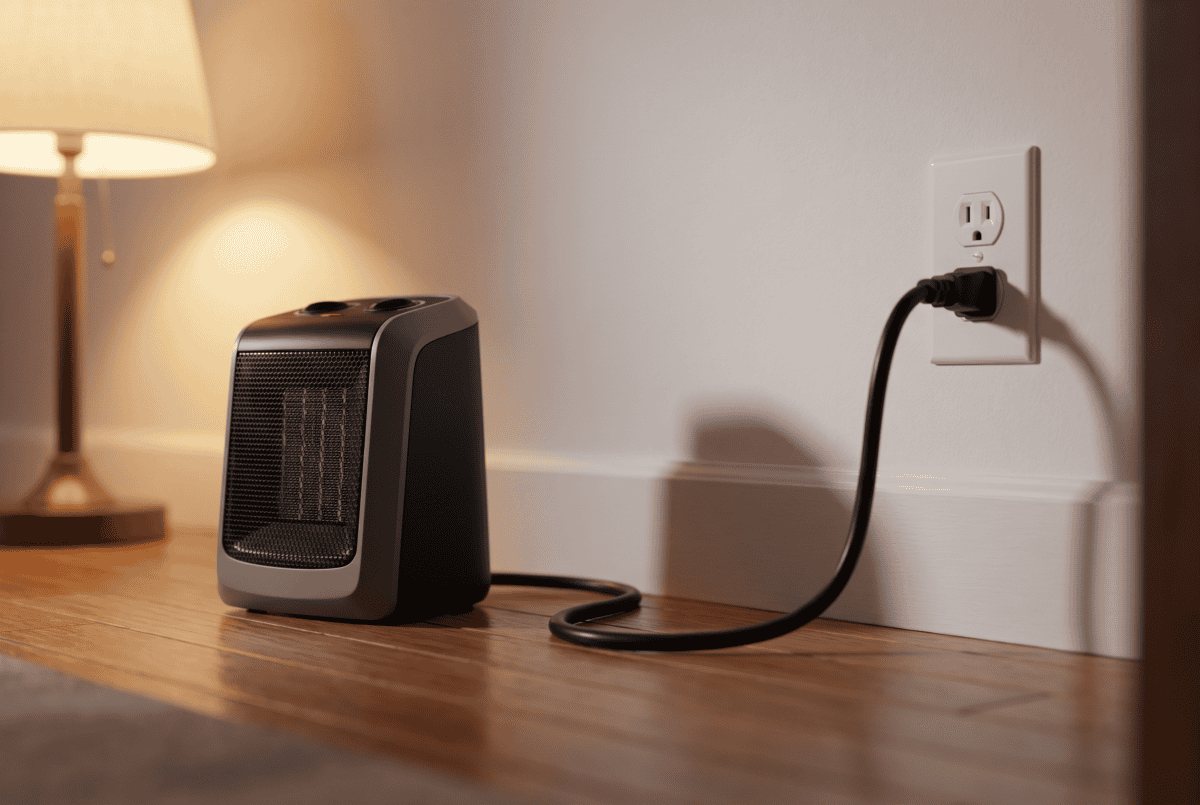
A space heater that keeps shutting off is almost always tripping its overheat sensor — dust, a blocked vent, or poor placement is trapping heat and forcing the safety cutoff to kill the element. This guide from heatersforlife.com explains why your heater shuts itself off after a few minutes, how to fix each cause, and when the shutoffs mean the unit is worn out rather than just dirty.
Last Updated: August 2026 | Will Montgomery has an engineering background and has spent years installing, testing, and troubleshooting electric and propane heaters in homes, apartments, and uninsulated garages.
Quick Answer: Why a Space Heater Keeps Shutting Off
The overheat sensor is doing its job — it cuts the element when internal temperature climbs too high, and the usual triggers are a dust-clogged element, a blocked or crowded vent, or a soft surface like carpet. Less often it’s a failing thermal fuse, a loose outlet connection, or an overloaded circuit. Clean the grilles, give the heater three feet of clearance on a hard floor, plug it directly into a wall outlet, and it should run without cutting out. If it still shuts off, the thermal fuse or element may be failing.
The Main Reasons a Heater Shuts Itself Off
Match how long the heater runs before it quits to the most likely cause.

| Pattern | Likely cause | Fix |
|---|---|---|
| Runs 5–15 min, then quits | Overheat sensor tripping on dust/blocked airflow | Vacuum grilles, clear 3 ft of space |
| Quits faster over time | Element caked in dust, soft surface | Deep-clean element, move to hard floor |
| Shuts off and the outlet is warm | Loose or worn outlet/plug connection | Try a different wall outlet |
| Whole circuit dies, not just heater | Overloaded breaker (1500W ≈ 12.5A) | Use a dedicated circuit |
| Shuts off instantly, won’t restart | Blown thermal fuse or failed element | Replace the heater |
1. Dust and a Clogged Element (the Usual Culprit)
Dust is the number-one reason a space heater overheats and shuts off, because it coats the element and traps heat right where the sensor reads it. As dust builds, the heater reaches its cutoff temperature faster, so a unit that once ran for an hour starts quitting after ten minutes. Unplug the heater, let it cool, and vacuum the intake and outlet grilles; use a soft brush to clear dust from the element itself. Doing this a few times each heating season keeps the overheat sensor from tripping early.
From experience: clearing the dust out really does bring these back, and the reason is worth understanding. Dust sitting directly on the element insulates it and lets it run hotter than it was designed to — so the dust is not just blocking airflow, it is actively driving the element temperature up until the cutoff has no choice but to fire.
2. Blocked or Crowded Airflow
A heater needs open space to pull cool air in and push warm air out; anything blocking either grille makes it overheat. Curtains, furniture, bedding, or a heater shoved into a corner all restrict airflow. Give the unit at least three feet of clearance on every side and keep the back intake clear. This single change fixes many “runs then quits” complaints without any cleaning at all.
3. Sitting on Carpet or a Soft Surface
Placing a heater on carpet, a rug, or bedding blocks the base vents and can hold the tip-over switch partly open, causing shutoffs. Soft surfaces also insulate the bottom of the unit, trapping heat. Set the heater on a hard, level floor so the base breathes and the tip-over switch stays fully engaged. This also removes a real fire risk, since soft materials can scorch under a running heater.
4. A Loose Outlet or Overloaded Circuit
A worn outlet or an overloaded circuit can interrupt the heater’s power and mimic an overheat shutdown. If the outlet or plug feels warm, the connection is degrading — move the heater to a different wall outlet. If the whole circuit dies instead of just the heater, you’re overloading it: a 1500-watt heater draws about 12.5 amps, close to the 15-amp limit of a standard circuit, so anything else sharing it can trip the breaker. See space heater tripping the breaker or GFCI and how many amps a space heater uses for the circuit math.

5. A Failing Thermal Fuse or Element
If a clean, well-ventilated heater on a good circuit still shuts off almost instantly and won’t restart, the thermal fuse has likely blown or the element is failing. The thermal fuse is a one-time safety device that permanently opens after a severe overheat, and a failing element can draw abnormally and trip protection. Because portable heaters are inexpensive, replacing the unit is the practical move. Match a replacement to your room using space heater types explained.
Is a Self-Shutting Heater Dangerous?
An occasional automatic shutoff is a safety feature working correctly, not a hazard — it’s protecting you from a fire. The concern is a heater that shuts off constantly, because that means it’s repeatedly reaching unsafe temperatures. Clean it, give it clearance, and put it on a solid floor. If it keeps cutting out after all that, or if you notice a burning smell, retire it — heatersforlife.com covers the smell test in space heater smells like burning. For the full symptom index, see the space heater troubleshooting hub.
A 5-Minute Fix That Solves Most Shutoffs
Before assuming your heater is failing, do this quick reset routine — it resolves the large majority of repeat shutoffs. Unplug the heater and let it cool for 30 minutes. While it cools, vacuum the intake grille on the back and the outlet grille on the front, and brush any visible dust off the element. Clear at least three feet of open space on every side and move the unit onto a hard, level floor instead of carpet. Plug it directly into a wall outlet — not a strip or extension cord — and turn it back on. In most cases the heater now runs its full cycle, because you removed the trapped heat that was tripping the overheat sensor.

Make this a seasonal habit rather than a one-time repair. Dust rebuilds every winter, so a heater that runs perfectly in November can start cutting out by February without a mid-season cleaning. Storing it in a sealed bag over summer keeps the element clean for the next year.
Supplies for all of that come to a vacuum with a brush head and a can of compressed air for the element itself. A few dollars, and one can lasts several heating seasons.
Which Heater Types Shut Off Most, and Why
Fan-forced and ceramic heaters shut off most often because their overheat sensors sit close to a dust-prone element and fan. These types pull a lot of air through tight grilles, so they collect dust fast and trip early when it builds up. Oil-filled radiators shut off less from dust and more from being covered — draping laundry over one traps heat and trips the cutoff. Micathermic panels can overheat if pushed against a wall or curtain. Whatever the type, the fix is the same trio: clean it, give it clearance, and set it on a hard surface. If your unit also blows cool air when it does run, cross-check the blowing cold air guide, and see the troubleshooting hub for the full symptom map.
Frequently Asked Questions
Why does my space heater run for a few minutes and then shut off?
That pattern is a classic overheat trip. Dust on the element, a blocked vent, or a soft surface is trapping heat, so the sensor cuts the element after a few minutes. Unplug and cool the unit, vacuum both grilles, give it three feet of clearance, and set it on a hard floor. It should then run without quitting.
Is it dangerous when a space heater shuts itself off?
No — the shutoff is the safety system doing its job to prevent overheating. It only becomes a warning sign when it happens repeatedly, which means the heater keeps reaching unsafe temperatures. Address the dust, airflow, and placement causes; if constant shutoffs continue, replace the unit.
How do I reset a space heater that keeps turning off?
Unplug it, let it cool for 20–30 minutes so the overheat sensor resets, and clean the intake and outlet grilles. Set it upright on a hard, level surface and plug it directly into a wall outlet. Some models have a reset button near the controls. Then turn it back on and confirm airflow is unobstructed.
Can a dirty space heater cause it to shut off?
Yes, and it’s the most common cause. Dust insulates the element and clogs the intake, so the heater hits its cutoff temperature faster and faster as buildup grows. Regular vacuuming of the grilles restores normal run time and is the first fix to try.
Why does my heater shut off but the outlet still has power?
If the outlet works but the heater stops, the shutoff is internal — usually the overheat sensor tripping from dust or blocked airflow, sometimes a failing thermal fuse. Clean and ventilate the unit first. If a clean heater on a known-good outlet still cuts out and won’t restart, the thermal fuse or element has likely failed and the heater should be replaced.