

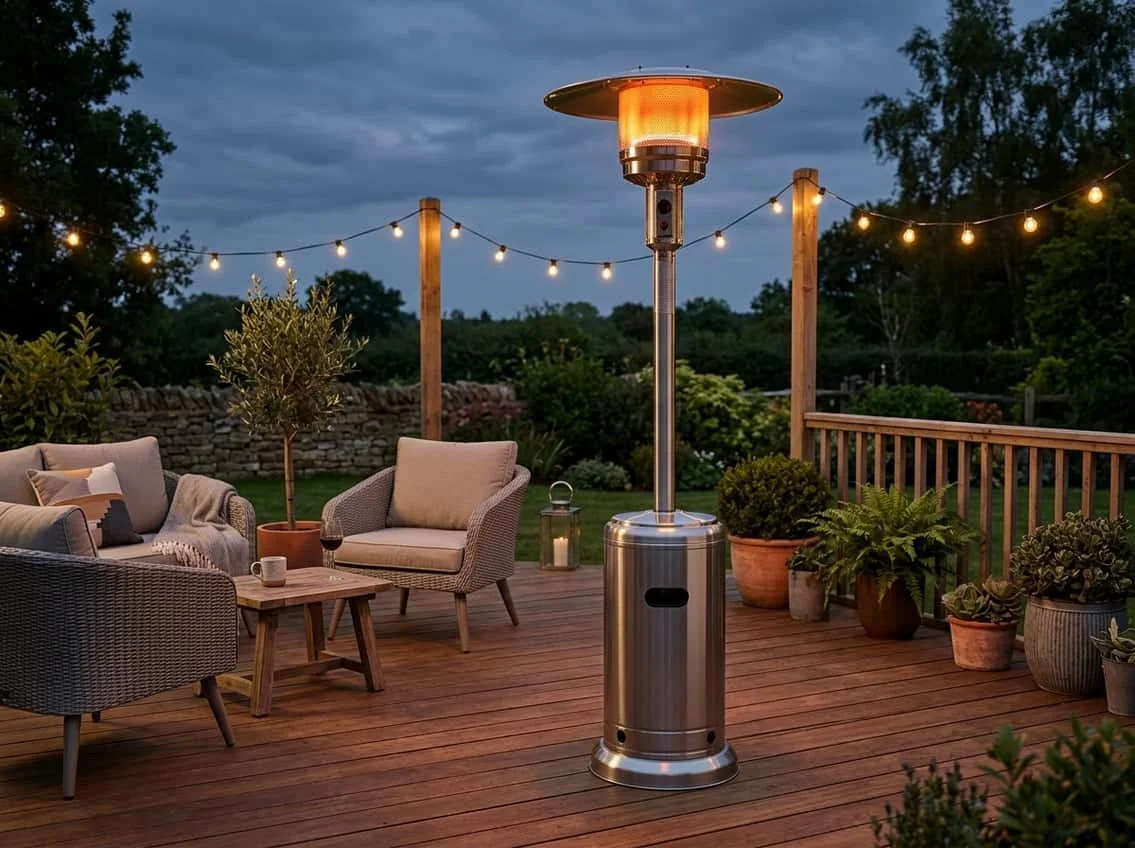
Cold evenings should not force anyone indoors. The best patio heater lets them enjoy a deck, backyard, or patio long after the sun sets.
The best patio heater for most spaces is one that matches the patio size, uses the right fuel type, and delivers enough heat output to keep the area comfortable without wasting energy. Propane models heat large open areas, electric units work well for covered patios, and tabletop or wall-mounted options fit small spaces.
This guide breaks down how outdoor patio heaters compare in real use. It explains what matters most, from heat range and safety features to design and durability, so they can choose a patio heater that fits their space and budget with confidence.
Key Takeaways
- The right patio heater depends on space size, fuel type, and heat output.
- Propane, electric, and mounted options each suit different outdoor setups.
- Safety features, build quality, and maintenance affect long-term value.
Last Updated: May 2026 | Will Montgomery has spent time evaluating patio heaters across propane, natural gas, and electric types. He focuses on heat radius, wind performance, build quality, and safety shutoffs when recommending outdoor heating options.
From experience: The tall freestanding top-hat style is hard to beat for a backyard setup — they push heat over a wide radius and hold up well season after season. The Amazon Basics version runs reliably in open yard use. One practical tip if you are running it on a lawn: anchor the base with old galvanized spikes driven through the feet. It takes about a minute and keeps the heater from tipping in a gust. A freestanding propane heater going over in the wind is a real hazard, so the extra step is worth it.
Patio Heater Types Compared

Fuel type, heat output, placement, and operating cost shape how well an outdoor heater fits a space. Buyers should compare power, safety features, and installation needs before choosing between propane, electric, gas, infrared, or fire pit designs.
Propane Patio Heaters
A propane patio heater uses a refillable tank, usually 20 pounds, to produce strong heat. Many freestanding propane patio heaters deliver 40,000 to 50,000 BTUs, which can warm a 10- to 20-foot area depending on wind.
They work well in open patios and backyards because they do not need a power cord. Most models include tip-over protection and
Key Features to Evaluate

A patio heater must deliver enough heat, operate safely, and hold up in outdoor conditions. Buyers should focus on measurable performance, verified safety systems, and materials built for long-term outdoor heating.
Heat Output and BTUs
Heat output determines how warm the space will feel. Manufacturers list this in BTUs (British Thermal Units) for gas models or watts for electric units.
Propane patio heaters often produce 30,000 to 50,000 BTUs. A model rated at 48,000 BTUs can heat a medium patio more effectively than a small tabletop unit. Higher BTUs usually mean stronger heat output, but they also increase fuel use.
Electric heaters measure power in watts, yet the goal stays the same: steady and focused heat. Some electric models warm smaller areas but provide consistent infrared heat without open flames.
Buyers should match BTUs to patio size. Too few BTUs leave guests cold. Too many can waste fuel and create uneven heat.
Safety Features
Outdoor heating requires built-in safety controls. Reliable heaters include tip-over protection, which shuts the unit off if it falls.
Many propane models use a thermocouple system. This device cuts off the gas supply if the flame goes out. It prevents leaks and reduces fire risk.
Electric heaters often include overheat protection. This feature powers the unit down if internal parts reach unsafe temperatures.
Weather resistance also matters. Some electric heaters carry an IP24 rating, which means they resist water splashes from any direction. Buyers should still follow clearance rules and avoid enclosed spaces unless the manufacturer clearly approves indoor or covered use.
Heating Radius and Coverage
Heating radius describes how far warmth spreads from the unit. Brands list this as square footage or as a diameter or radius.
For example, some full-size propane heaters claim coverage of up to 200 to 300 square feet. Independent tests from outlets like Good Housekeeping’s best outdoor patio heaters show that real-world coverage may feel smaller than advertised.
Wind, ceiling height, and open space affect performance. A heater in a fully open yard loses heat faster than one on a covered patio.
Buyers should focus on effective heating radius, not just maximum claims. In many cases, two smaller heaters placed closer to seating work better than one large unit at the edge of the patio.
Build Quality and Durability
Outdoor heaters face wind, moisture, and temperature changes. Strong materials help them last.
Look for powder-coated steel, stainless steel, or aluminum. These resist rust better than thin painted metal. Solid bases also reduce wobbling in windy weather.
Wheels should roll smoothly and lock in place. Control knobs must turn easily without feeling loose. In tests like those described in Popular Mechanics’ tested patio heaters, setup time and construction quality directly affect user experience.
A well-built heater maintains stable heat output and safe operation over time. Poor construction can lead to uneven flames, loose parts, and shorter product life.
Popular Styles and Designs

Patio heaters come in several clear design types. Each style changes how heat spreads, how much space it uses, and where it works best.
Mushroom-Style and Standing Heaters
A mushroom-style heater is one of the most common options. It has a tall pole with a wide, round reflector on top that pushes heat outward in a circular pattern.
Many models, such as the FDW Outdoor Patio Heater, produce about 41,000
Top Recommended Patio Heaters for 2026

These models stand out for steady heat, safe design, and ease of use. They include full-size propane towers, electric wall units, and compact tabletop options for small spaces.
Best Overall Choices
Many experts rate the 7 Best Patio Heaters of 2026 based on heat output, build quality, and value. Full-size propane towers remain a top pick for large patios because they produce up to 50,000 BTUs of heat.
The East Oak 50,000 BTU patio heater and the standard East Oak patio heater models heat wide seating areas and often include wheels for easy movement. Stainless steel finishes help resist rust in wet weather.
The Amazon Basics patio heater offers similar output at a lower price. It fits homeowners who want strong heat without premium features.
The Hiland HLDS01 and Pamapic patio heater also rank among top patio heaters for steady flame control and simple ignition systems. These units work well for decks, pool areas, and outdoor dining spaces.
Best Electric Patio Heaters
Electric units suit covered patios and smaller yards. They plug into a standard outlet and produce instant heat without propane tanks.
Several guides, including the Best Patio Heater 2026: Top 7 Tested & Reviewed, highlight electric models for quiet operation and low maintenance. They do not create open flames, which reduces fire risk.
The EnerG+ electric patio heater uses infrared heat to warm people and objects directly. It works well on balconies or enclosed patios.
Wall-mounted and ceiling-mounted units save floor space. Many deliver 1,500 watts of power, enough for small seating areas.
Buyers looking for the best electric patio heater should check cord length, mounting hardware, and weather resistance. Electric heaters perform best when placed close to seating.
Best Propane and Gas Models
Propane and natural gas heaters provide strong heat for open spaces. They work well in windy conditions and large yards.
The Best Patio Heaters (2026) – Business Insider review notes that propane models dominate testing because of high BTU output and wide heat radius.
The East Oak 50,000 BTU patio heater and Hiland HLDS01 remain strong choices for consistent heat. Many include safety shutoff valves that stop gas flow if the unit tips over.
The Cuisinart Perfect Position offers adjustable height and directional heat. This design allows users to aim warmth toward a dining table instead of heating empty space.
The Ninja Fireside360 blends grill and fire pit functions with patio heating. It suits users who want both cooking and warmth in one unit.
Best Tabletop and Compact Options
Small patios and apartment balconies benefit from compact heaters. Tabletop models focus heat on close seating areas.
The Best Patio Heaters of 2026 – CNET testing covers both large and compact designs, including smaller propane units built for tight spaces.
The Pamapic patio heater also comes in tabletop versions. These models often produce lower BTUs than tower heaters but heat a dining table well.
Electric compact units, such as smaller Energ+ electric patio heater models, work well indoors or in screened patios. They require no fuel storage and turn on with a switch.
Shoppers should check base stability, safety shutoff features, and clearance requirements. Even small heaters need proper spacing from walls and furniture.
Performance Factors and Real-World Use

Strong heat output matters, but daily use depends on setup, controls, movement, and how well the unit handles weather. Buyers should focus on how the heater fits their space and routine, not just its BTU rating.
Assembly and Setup
Most freestanding patio heaters arrive in several pieces. Buyers should expect to attach the base, pole, burner head, and reflector dome with basic tools.
Some models assemble in about 30 minutes, while others take longer due to extra panels or safety guards. In testing noted by Popular Mechanics’ best patio heaters of 2026, ease of setup played a key role in rankings.
Propane models require extra steps. The user must place the propane tank inside the base, secure it with a strap or chain, and connect the regulator hose tightly. He or she should always check for gas leaks before lighting.
Wall-mounted electric units need careful measuring and secure brackets. Some 240‑volt models require a licensed electrician. That adds cost but improves long-term safety.
Tabletop units and heaters with a built-in table surface often need less assembly. They usually involve attaching the burner head and connecting a small propane cylinder.
Clear instructions and labeled hardware reduce mistakes. Poor instructions increase setup time and frustration.
Ease of Use and Controls
Ignition systems vary. Most propane patio heaters use a push-button spark igniter. The user turns the control knob, presses the igniter, and holds the knob for several seconds to stabilize the flame.
Higher-end outdoor patio heater models offer variable heat controls instead of a simple high/low setting. That helps users adjust heat output based on wind and temperature.
Electric units often include:
- Remote controls
- Wall switches
- Multiple wattage settings
The BHG tested patio heaters report notes that clear controls and stable flame performance improve user satisfaction.
Tip-over protection and automatic shutoff are critical safety features. Many patio heaters cut the gas supply if the unit tilts. This feature matters in homes with pets or children.
Controls should feel solid and
Safety, Maintenance, and Longevity

A patio heater works with open flame or high heat, so proper use and care matter. Smart setup, routine cleaning, and correct storage help the unit last longer and run safely.
Safe Operation Tips
Place the heater on a flat, solid surface such as concrete or stone. Uneven ground raises the risk of tipping, even with built-in tip-over protection.
Keep at least 3 feet of clearance on all sides. Maintain more space above the heater, especially for mushroom-style propane models where heat rises.
Check for key safety features before each use:
- Tip-over protection switch
- Thermocouple that shuts off gas if the flame goes out
- Overheat protection on electric models
Inspect propane connections for leaks by applying soapy water to the hose and regulator. Bubbles show a leak. Tighten fittings or replace damaged parts before lighting.
Never use a patio heater indoors or in an enclosed tent. Propane heaters produce carbon monoxide, which builds up quickly in closed spaces.
Regular Care and Cleaning
Turn off the heater and let it cool fully before cleaning. Heat can stay trapped in the burner and reflector for a long time.
Wipe down the exterior with a soft cloth and mild soap. Dirt and grease can block vents and reduce airflow.
For propane models, check the burner screen for soot or carbon buildup. Heavy buildup can affect flame quality and trigger the thermocouple to shut off the gas.
Inspect these parts every few weeks during heavy use:
| Part | What to Look For |
|---|---|
| Gas hose | Cracks or stiffness |
| Igniter | Weak or no spark |
| Reflector shield | Rust or loose bolts |
| Power cord (electric) | Fraying or exposed wires |
Replace worn parts promptly. Many top-rated propane units, such as those listed in this guide to the best outdoor patio heaters, offer replacement parts through the manufacturer.
Seasonal Storage Advice
When the season ends, clean the heater before storing it. Remove debris, wipe surfaces dry, and disconnect the propane tank.
Store propane tanks upright in a well-ventilated outdoor area. Do not keep them in a garage or basement.
Cover the heater with a weather-resistant patio heater cover. A fitted cover protects against moisture, dust, and rust. Even stainless steel models can corrode over time.
If possible, move the heater into a shed or garage during winter. Electric heaters should stay in a dry space to protect internal wiring and controls.
Before using the heater again, inspect all safety features, including tip-over protection and overheat protection, to confirm they work as intended.
Choosing the Right Patio Heater for Your Space
A patio heater must match the size of the area, the type of space, and the buyer’s budget. Heat output, fuel type, and safety rules all shape the right choice.
Size and Coverage Area
Heaters vary widely in heat output, and that directly affects comfort. A small tabletop electric unit may produce about 5,100 BTU, which works for a balcony or a two‑person table. Larger freestanding propane models often range from 40,000 BTU to 50,000 BTU.
A 40,000 BTU patio heater can warm a small patio or deck. A 48,000 BTU or 50,000 BTU model fits open backyards or group seating areas. In real use, wind and open space reduce how far the heat travels.
Manufacturers list coverage ranges, but buyers should expect less reach than advertised. The team behind the best patio heaters tested by BHG found that real-world warmth often falls short of claims.
When choosing, they should measure the patio in square feet and note wall placement. Walls help trap heat, while open yards require higher BTU patio heater ratings.
Indoor Versus Outdoor Use
Not all outdoor heaters work in every space. Propane models deliver stronger heat, but many cities and condo buildings restrict their use on balconies and rooftops.
The Patio Heater Buying Guide explains that buyers must check clearance rules and ventilation before installing a gas unit. Most propane heaters stand 7 feet or taller and require several feet of space above and around them.
Electric heaters suit covered patios and semi-enclosed areas. They plug into standard 120‑volt outlets, but most outdoor outlets share a single circuit. That limits how many units can run at once.
They should never use propane heaters in enclosed rooms, garages, or indoors. Electric models with tip-over protection and overheat shutoff add another layer of safety.
Budget Considerations
Price includes more than the heater itself. Buyers must factor in fuel, electricity, and long-term upkeep.
Propane units often cost more upfront, especially high-output models rated at 48,000 BTU or higher. However, propane can cost less to run per hour compared to electric units in many areas.
Electric heaters usually cost less to buy and require less maintenance. They do not need tank refills, and they start with the push of a button.
The best patio heater options for 2026 often balance build quality, durability, and heating performance. Buyers should compare:
- BTU rating
- Fuel or power costs
- Safety features
- Expected lifespan
A lower price does not always mean better value. Strong materials, stable bases, and reliable ignition systems reduce repair and replacement costs over time.
Frequently Asked Questions
Choosing the best patio heater depends on fuel type, heat output, safety design, and long-term cost. Buyers should compare propane, electric, and infrared models based on operating cost, weather exposure, and the size of the space they plan to heat.
Which type of outdoor heater is more cost-effective: propane, electric, or infrared?
Electric heaters usually cost less to run per hour than propane. A 1,500‑watt electric heater can cost only a few cents per hour depending on local rates, while propane models can cost several dollars per hour at full output. Many buying guides break down these differences in detail, such as this complete patio heater buying guide.
Natural gas often costs less than propane over time, but it requires a fixed gas line and professional installation.
Infrared heaters can be electric or gas. They heat people and objects directly instead of warming the air, which can reduce wasted energy in windy areas.
How many BTUs or watts do I need to heat a patio of my size?
Heat output depends on patio size and exposure. Small patios under 100 square feet often need 10,000 to 20,000 BTUs, while larger spaces may need 40,000 BTUs or more.
Electric heaters measure power in watts. As a rule, 1,500 watts works well for small covered areas, while larger patios may need multiple units.
Open and windy patios lose heat faster. Many experts explain sizing in detail in guides like this overview of common patio heater questions.
What safety features should I look for in an outdoor heater to prevent tip-overs and fires?
Tip-over protection is essential for tall propane heaters. This feature shuts the unit off if it falls.
Overheat protection adds another layer of safety. It turns the heater off if internal temperatures rise too high.
Buyers should also look for certified models tested to safety standards. Advice on outdoor heater safety appears in resources such as the Outdoor Patio Heaters FAQ.
How weather-resistant should an outdoor heater be for year-round outdoor use?
Outdoor heaters must handle rain, wind, and temperature changes. Stainless steel and powder-coated steel resist rust better than plain painted metal.
Electric models rated for outdoor use should have proper weather protection. Wall-mounted units need secure installation and the right clearance.
Many experts stress material quality and placement when selecting a heater, as noted in this guide on what to consider before buying a patio heater.
Are pyramid-style heaters more effective for heat distribution than standard mushroom-top models?
Pyramid heaters use a visible vertical flame inside a glass tube. They spread heat around the middle of the unit and add visual appeal.
Mushroom-top models use a wide reflector to push heat downward and outward. They often deliver strong heat over a circular area.
Performance depends more on BTU output and placement than on shape alone. Product comparisons, such as these 2026 patio heater reviews, show that both styles can perform well when sized correctly.
What maintenance and fuel or electricity costs should I expect over a full season of use?
Propane heaters require regular tank refills. A standard 20‑pound tank may last 8 to 10 hours at high output, so frequent use can add up over a season.
Electric heaters avoid fuel refills but increase the monthly power bill. The exact cost depends on wattage and hours of use.
All outdoor heaters need routine care. Owners should clean burners or heating elements, check gas lines for leaks, and use a weatherproof cover when the unit is not in use.